

Introduction: Welcome to Stillwater South
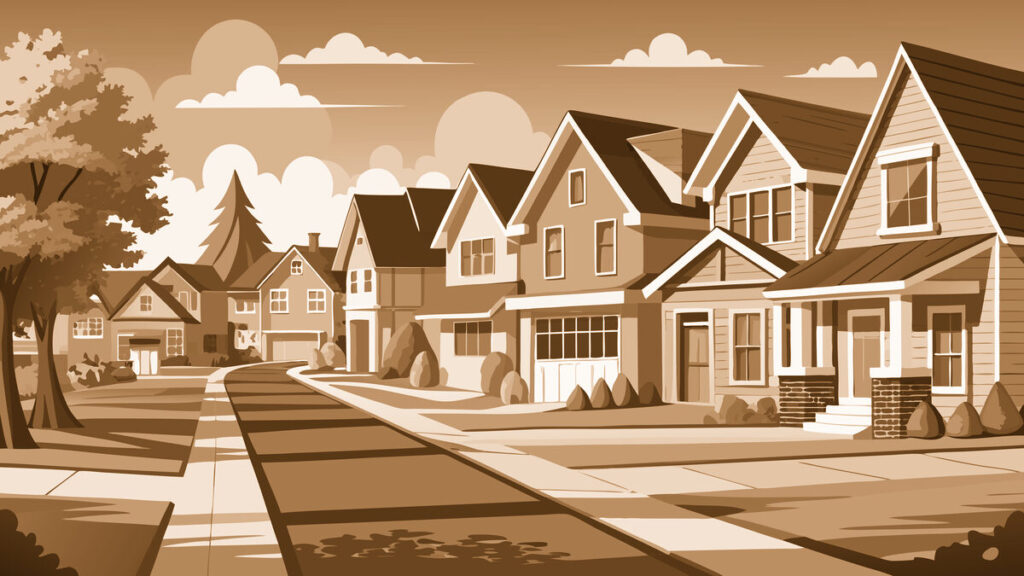
Nestled along the gentle curves of the St. Croix River, Stillwater South stands as a cherished neighborhood at the heart of Stillwater, Minnesota. With its tree-lined avenues, distinguished homes, and echoes of the city’s industrious past, this neighborhood tells a story that mirrors the evolution of Stillwater itself. If you stroll down streets like South Hill or gaze out from the limestone bluffs toward the Minnesota-Wisconsin border, you’ll discover that Stillwater South is more than an address—it’s a living memory of community, craftsmanship, and resilience.
Origins of Stillwater South
Stillwater was founded in 1843 and swiftly became a hub of commerce and culture. Stillwater South, bounded roughly by the river to the east, Martha Street to the north, and extending westward toward Highway 95, soon attracted families and entrepreneurs looking to plant roots outside the bustling downtown. Its name—Stillwater South—has always had a practical ring: a simple compass point, distinguishing this tranquil pocket just south of Main Street and connecting neighborhoods while nodding to its position below the city’s original business core.
Long before paved streets and modern homes, indigenous Dakota and Ojibwe people called this land home, traveling the riverways and leaving their mark on the land’s spirit. As European settlers arrived, the neighborhood evolved alongside Stillwater’s booming lumber industry, drawing workers and craftspeople into modest clapboard houses and elegant Victorians, many of which still stand today.
Key Historical Milestones
- 1840s–1860s: Logging Legacy
The proximity to the St. Croix River made Stillwater South an ideal spot for those involved in the logging trade. The river was a lifeline, and in spring, the thundering log drives could be seen from South Second Street, bringing together townsfolk for days of celebration and work.
- 1870s–1900s: Railroads and Community Growth
As the railroad expanded through Stillwater, Stillwater South blossomed. Streets like Willard and Martha became home to railway workers and their families. The neighborhood’s leafy boulevards, including Churchill and Linden, bear the names of city founders and reflect Stillwater’s Victorian-era optimism.
- 1920s–1940s: Education and Civic Pride
The construction of South Hill School (now repurposed but cherished in memory) marked a dedication to education, and nearby Pioneer Park became a gathering place for residents. Potlucks on porches and ballgames in the park created a close-knit, supportive community.
- 1960s–1980s: Preservation and Change
As industries changed and city boundaries shifted, residents began a movement to preserve Stillwater South’s distinctive homes and landscapes. Thanks to these efforts, Queen Anne cottages and Craftsman bungalows received official historic designations, blending the old with the new.
Notable Landmarks and Stories
- Pioneer Park
Perched high on the bluffs of Stillwater South, Pioneer Park offers sweeping views of the downtown and river valley. It’s more than a scenic overlook; it’s been the backdrop for countless festivals, music in the bandstand, and family gatherings.
- South Hill Historic District
Stretching along neighborhoods like Willard and Oak Streets, this district is a time capsule of 19th-century architecture. Homes here feature intricate woodwork, stately porches, and storied pasts—many were built by mill owners and riverboat captains.
- The Old Stone Wall on Churchill Street
A favorite with local children and photographers alike, the stone wall on Churchill hints at Stillwater’s resourceful past, built with local materials and patient hands. Generations have paused here to rest, reminisce, or watch the sun set over the river valley.
- Landmark Churches and Schools
The classic red brick of St. Mary’s Catholic Church and the sturdy lines of the former South Hill School ground the community, bearing witness to baptisms, graduations, and civic life for more than a century.
Evolution Through the Decades
Stillwater South has gracefully embraced change. In the postwar era, new families modernized older homes while honoring their heritage. The 1970s saw newcomers drawn by affordable homes and a slow-paced lifestyle, leading to a flowering of community gardens and neighborhood associations.
Today, the South Stillwater Neighborhood Association sponsors river cleanups and block parties, keeping the sense of community alive. You’ll find retirees tending rose gardens, artists painting the river light, and children skating along Oak Street—all part of the tapestry that makes Stillwater South enduringly vibrant.
While some streets have modern construction, the majority of the neighborhood retains its historic charm. Residents are passionate about the preservation of mature elms and oaks, which form a living canopy over South Third Street and frame the stately houses that tell Stillwater’s story.
What Makes Stillwater South Special
Ask any neighbor what they love about Stillwater South, and they’ll mention more than just the scenery. It’s the chorus of schoolchildren in the morning, church bells floating over the rooftops, and the way the streets glow gold in autumn. It’s the sense that here, history is not a distant memory but a companion on each evening walk.
Perhaps it’s best summed up by a longtime resident:
“We honor our past, but we’re always making new memories. This neighborhood is a story that’s still unfolding, and everyone here gets to write a line.”
Whether visiting Pioneer Park at sunrise, admiring the heritage homes along Linden Street, or simply enjoying a conversation at a sidewalk bench, you’ll quickly discover why Stillwater South holds a unique and enduring place in the hearts of those who call it home.